


Dubai Arbitration Week 2025 started as a community project in 2014 and has grown into a significant event on the international arbitration calendar. Every November, specialists gather in Dubai for technical sessions, strategy talks and social events that showcase the city’s capability as a global forum for cross-border disputes. The programme is curated by a community committee and supported by the Dubai International Arbitration Centre (DIAC), regional institutions, and international, regional and local law firms.
Dubai Arbitration Week 2025 followed the familiar format but delivered a larger, more ambitious edition. Conference rooms and hotel spaces filled with debates about global disputes, enforcement strategy, and the shifting patterns of international arbitration. Many discussions continued long after the formal sessions ended, reflecting the sense that Dubai has become a genuine meeting point for practitioners from every major arbitration jurisdiction.
Dubai Arbitration Week 2025 in numbers
The 2025 edition brought together more than 1,000 delegates. More than 140 events took place between 10 and 14 November. Commercial arbitration, investor–state disputes, construction and energy cases, and enforcement matters dominated the programme.
Dubai’s role as an international arbitration hub mirrors the movement of trade and investment across the region. Disputes connected with the Middle East, Russia, Africa, and Central and South Asia often find their way to Dubai. Parties regard it as a practical, neutral seat with dependable procedures and a legal system comfortable with complex cross-border cases. For practitioners, Dubai Arbitration Week 2025 offered an opportunity to understand how different regional groups approach these disputes and how institutions are adapting to global tensions and economic challenges, such as rising national debts and cost-of-living pressures.
Sanctions, Russian parties and DIAC arbitration
Sanctions were one of the most prominent themes of Dubai Arbitration Week 2025. Dubai remains a venue where sanctioned companies and Russian lawyers can attend public events and share their views with a global audience. Their presence in 2025 was significant, shaping several sessions on energy disputes and enforcement risks.
Panels focusing on oil and gas disputes examined sanctions affecting projects in Iraq and other regions, including the recent designation of a major Russian oil company, Lukoil, and the resulting impact on contract performance, arbitration clauses, and enforcement strategy. The discussion showed why DIAC arbitration and other Dubai-seated arbitration proceedings continue to appeal to sanctions-affected parties. Tribunals can still hear both sides, maintain proper procedure and preserve enforceability while dealing with restrictions that might block access to other seats.
African arbitration and alternative perspectives
Africa’s growing influence in international arbitration was evident throughout the week. “Africa Day” and several dedicated sessions highlighted the increasing number of disputes involving African energy, infrastructure and technology projects. Speakers emphasised the strength of African institutions and the expertise of African practitioners.
GCC arbitration centres and regional competition
Gulf Cooperation Council (GCC) arbitration centres were highly active during Dubai Arbitration Week 2025. Institutions from Saudi Arabia, Qatar, Bahrain and other Gulf states hosted sessions to highlight new rules, state-of-the-art hearing facilities and improved enforcement performance. Their message reflected a regional ambition to retain more disputes and offer strong alternatives to global centres.
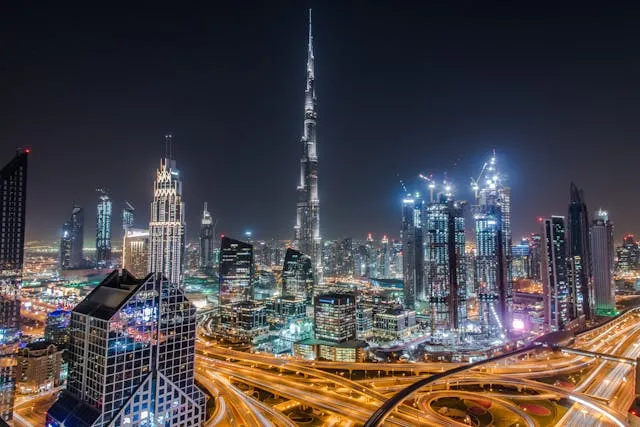
A reception hosted by the Bahrain Chamber for Dispute Resolution at the top of the Burj Khalifa captured this sense of ambition. It highlighted the speed at which the Gulf has built the infrastructure needed for high-value arbitration. This competition benefits users, as DIAC and other Gulf institutions continue to refine their rules, improve services and raise the overall standard of arbitration across the region.
English law, English practitioners and DIAC arbitration rules
English law continued to play a significant role during Dubai Arbitration Week 2025. Many regional contracts continue to choose English law for predictability and commercial familiarity. English barristers and solicitors remain active in Dubai, advising on drafting, seat selection and advocacy.
What has changed is the assumption that English courts or the LCIA must always be the default. Many parties now select Dubai as the seat while keeping English law as the governing law. DIAC arbitration rules offer a modern and efficient framework that suits English-law-governed disputes. This blended approach appears to be gaining momentum, especially among parties seeking predictable procedures combined with regional convenience.
Future outlook for Dubai as an international arbitration hub
By the end of Dubai Arbitration Week 2025, a clear picture had emerged. Dubai is no longer seen as an alternative seat. For many, it is already a first choice for disputes involving sanctioned entities, multi-regional supply chains and counterparties from MENA, the FSU, Africa and South Asia. DIAC arbitration continues to grow in influence and offers users confidence in awards seated in Dubai.
Competition remains strong. Gulf centres and Asian and African hubs such as Singapore, Hong Kong, Cairo, Kigali and Lagos are investing heavily in their arbitration offerings and enforcement systems. The next decade will be shaped by how these centres position themselves and how users distribute their cases.
FAQs
What is Dubai Arbitration Week 2025?
Dubai Arbitration Week 2025 was a five-day programme of international arbitration events held in November. It brought together global practitioners for sessions on commercial disputes, sanctions, Africa-focused arbitration and GCC developments. The week reinforced Dubai’s status as a leading venue for cross-border arbitration.
Why is Dubai a critical international arbitration hub?
Parties value Dubai’s neutrality, strong infrastructure, and supportive courts. DIAC arbitration offers a modern, efficient framework that helps make Dubai a preferred seat for high-value international arbitration.
How did sanctions shape discussions in 2025?
Sanctions featured prominently throughout the week. Dubai remains one of the few places where sanctioned parties and Russian lawyers can participate openly. Sessions explored how sanctions affect contract performance, arbitration clauses and enforcement. DIAC arbitration was highlighted as a workable option for sanctions-heavy disputes.
Why was African arbitration so visible this year?
Africa-focused sessions reflected the growing number of disputes linked to energy, infrastructure and digital projects across the continent. Dubai appeals to many African parties because it is accessible, neutral and familiar with African legal systems. Speakers noted a shift towards resolving more disputes within Global South arbitration hubs.
What role did English law play in Dubai-seated arbitration?
English law continues to govern many commercial contracts in the region. Parties increasingly retain English law while choosing Dubai as the seat of arbitration. The DIAC arbitration rules support English law-governed disputes, and English barristers and solicitors remain active in drafting, advising, and advocating in Dubai.
To discuss any points raised in this article, please call us on +44 (0) 203972 8469 or email us at mail@eldwicklaw.com.
This article does not constitute legal advice. For further information, please contact our London office.
Share this Post